The Art of Invisible Design
The best design is rarely noticed
Published
Dec 12, 2025
Category
Insights
Read Time
4 min
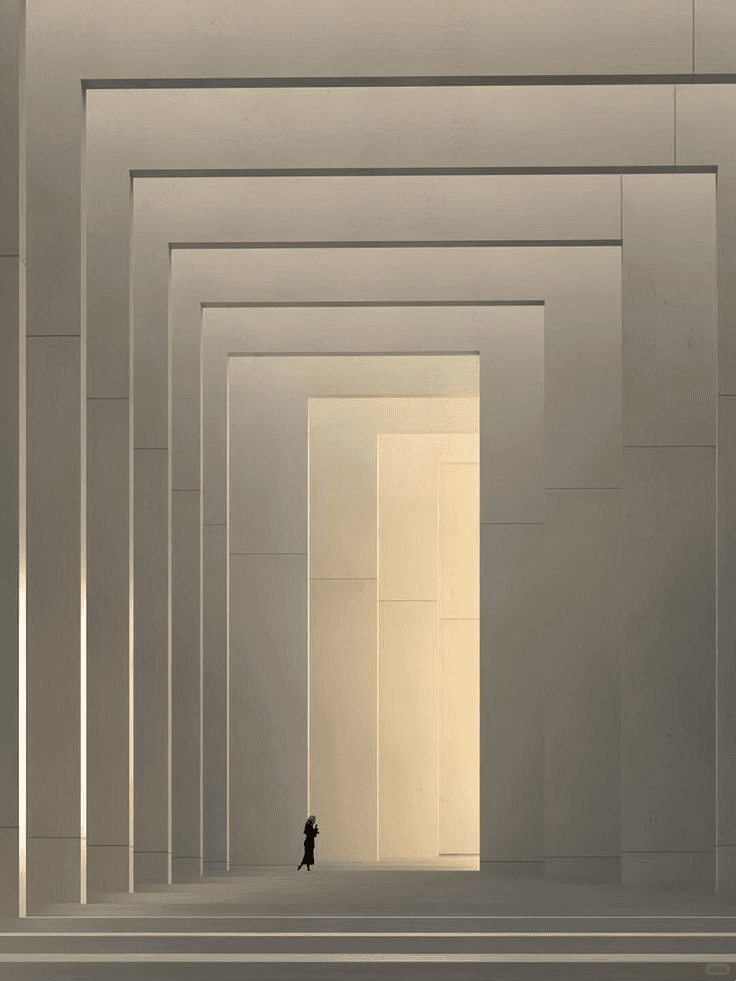
What You Don’t See Matters Most
The most effective design is often the least visible.
It doesn’t demand attention or try to impress immediately. Instead, it works quietly in the background — guiding, structuring, and supporting the experience without calling attention to itself.
Invisible design isn’t about absence.
It’s about control.
Removing Friction
At its core, invisible design is about eliminating obstacles.
Everything feels intuitive:
navigation flows naturally
hierarchy is clear
interactions feel expected
There’s no confusion, no hesitation. The user moves forward without needing to think about the interface itself.
When design works perfectly, it disappears.
Function Over Decoration
Invisible design prioritizes purpose over style.
Visual elements aren’t added for the sake of aesthetics. They exist because they serve a role — guiding attention, creating structure, or reinforcing meaning.
This doesn’t make the design less beautiful.
It makes the beauty feel effortless.
Precision in the Details
What makes invisible design powerful is precision.
alignment that feels exact
spacing that creates balance
motion that feels natural
These details are subtle, but they shape the entire experience. They create a sense of quality that users feel, even if they can’t explain it.
Designing for Feeling
Invisible design isn’t about what users notice.
It’s about what they feel.
Clarity. Ease. Confidence.
When everything works as expected, users trust the experience — and by extension, the brand behind it.
The Takeaway
Good design gets attention.
Great design removes the need for it.
The goal isn’t to be seen.
It’s to make everything else feel right.